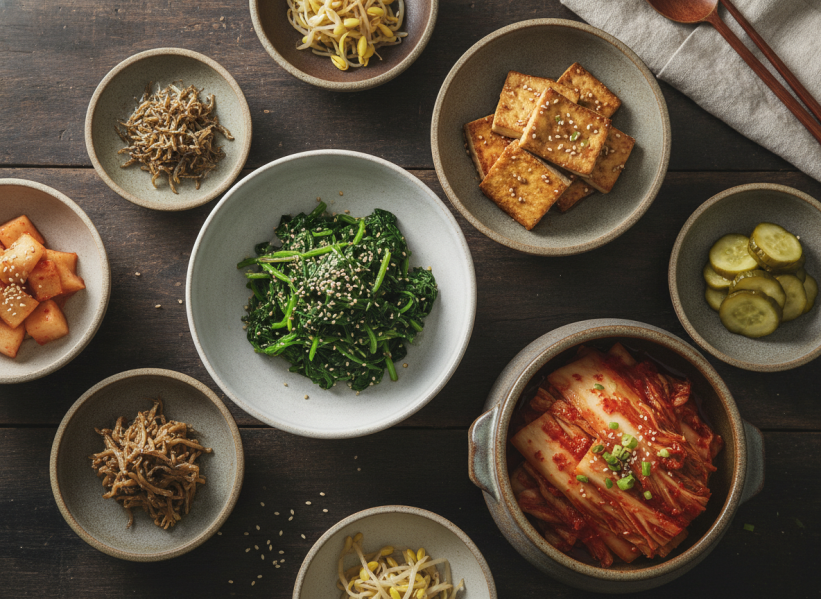

What Is Banchan? The Truth Behind Korean Side Dishes
If you've ever watched a Korean drama (or scrolled through Korean food TikTok), you've probably seen it: a table absolutely covered in tiny dishes. Three kinds of kimchi, five different namul, grilled meat, a whole fish, a bubbling stew — the works. It looks like a full-blown feast every single time.
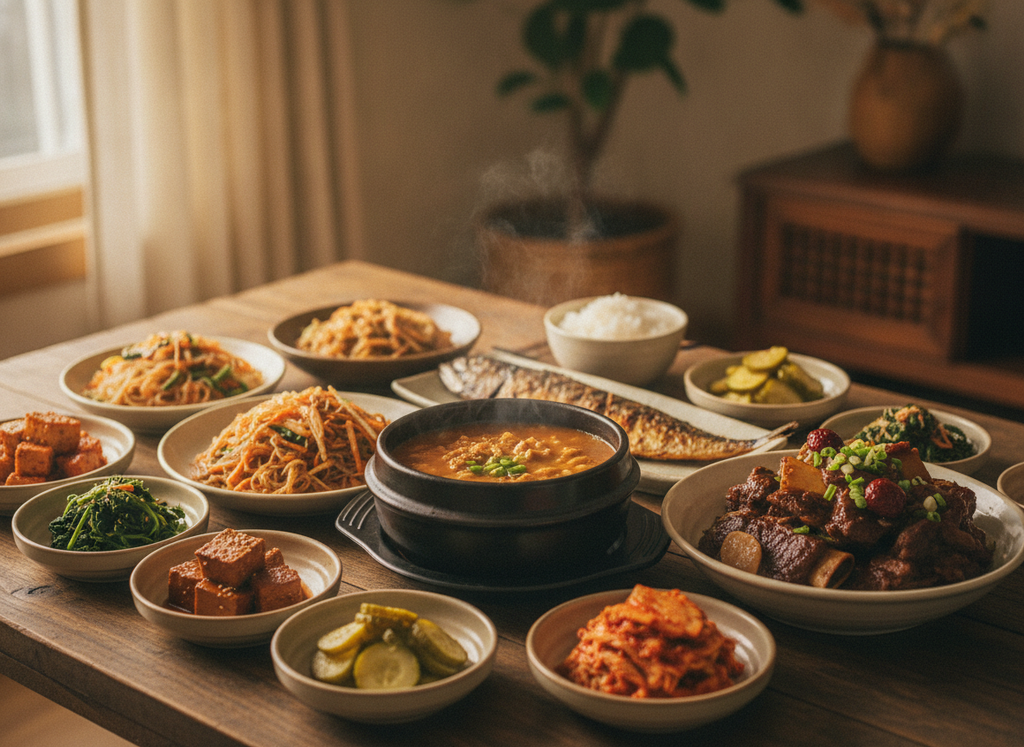
And honestly? A lot of Americans watch this and think, "Wait, do Koreans eat like this for every meal?"
I'm here to let you in on a little secret: no, we don't. 😅
A typical Korean weeknight dinner is way more modest than what you see on screen. Think 3–4 small side dishes, a bowl of kimchi, some soup or stew, and rice. Some nights it's even simpler — just a side dish or two, a sheet of seaweed, and rice. But there's one thing that never, ever disappears from the table: kimchi. A Korean meal without kimchi just isn't a Korean meal.
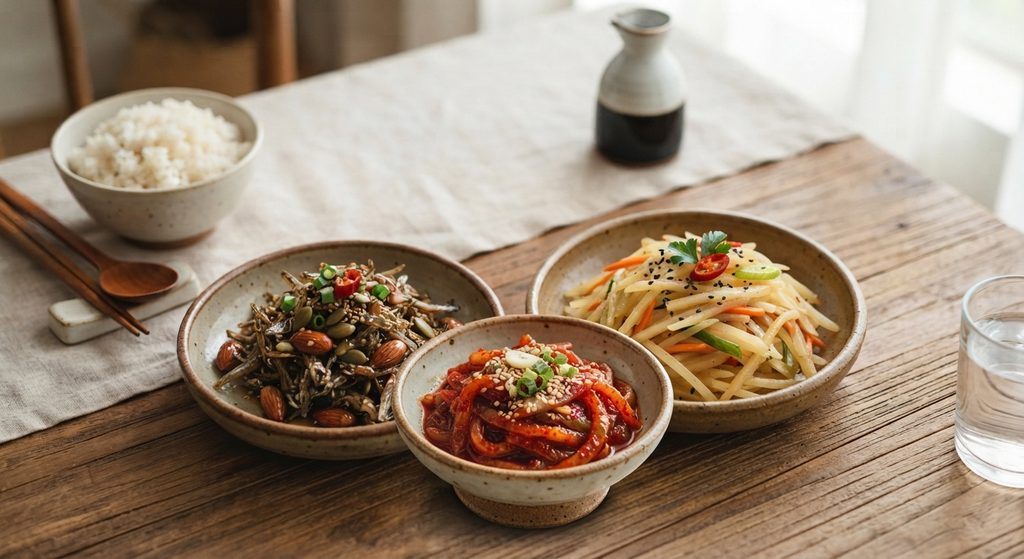
Today I want to break down what "banchan" (반찬) — Korean side dishes — actually are, why Korean tables are built around a bunch of small plates instead of one big one, and take you inside the real culture behind banchan: how it's shared between neighbors, how it's changed with modern life, and why my personal favorites — myeolchi bokkeum (sweet soy-glazed anchovies), ojingeo jeot (spicy fermented squid), and gamja bokkeum (soy-sautéed potatoes) — still hold a special place at Korean tables today.
The History of Korean Banchan: Why So Many Side Dishes?
American dining culture is largely built around the one-plate concept — a protein, a starch, maybe a vegetable, all on one plate. Korea took a completely different path. Why?
Korean banchan culture traces back to the Joseon Dynasty and its deep ties to Confucian philosophy and the traditional concept of eumyangohaeng (yin-yang and the five elements). Meals were meant to be balanced — not just nutritionally, but visually and flavor-wise too. That meant incorporating salty, spicy, sour, and sweet flavors all at once, spread across multiple small dishes, so that a single meal could deliver a wide range of nutrients and tastes simultaneously. It's basically the original balanced diet, centuries before "balanced plate" became a nutrition buzzword in the West.
There's also a very practical reason behind all those little dishes: preservation. Before refrigerators existed, Koreans salted, pickled, and fermented vegetables and seafood to make them last for weeks or even months. Kimchi is the most famous example, but this same preservation logic created dozens of other banchan — salted anchovies, fermented squid, pickled radishes, you name it. These dishes weren't just delicious; they were survival food that happened to taste incredible. And centuries later, we're still eating (and loving) them.
What a Typical Korean Meal Really Looks Like
Those jaw-dropping spreads you see in dramas and on Instagram? Those are usually reserved for holidays or entertaining guests. The real, everyday Korean dinner table is a lot more down-to-earth.
A typical weeknight dinner:
- Rice
- Soup or stew
- Kimchi
- 2–3 small banchan (usually a namul or a stir-fried side)
On busier days, it's even simpler:
- Rice + seaweed + one or two banchan
- Rice + a fried egg + kimchi
That's it. That's the real, everyday Korean table — no 12-course spread required. And honestly, these humble little side dishes are what make the meal feel complete, comforting, and home.
Ganjang, Doenjang, Gochujang: The Flavor Behind Every Banchan
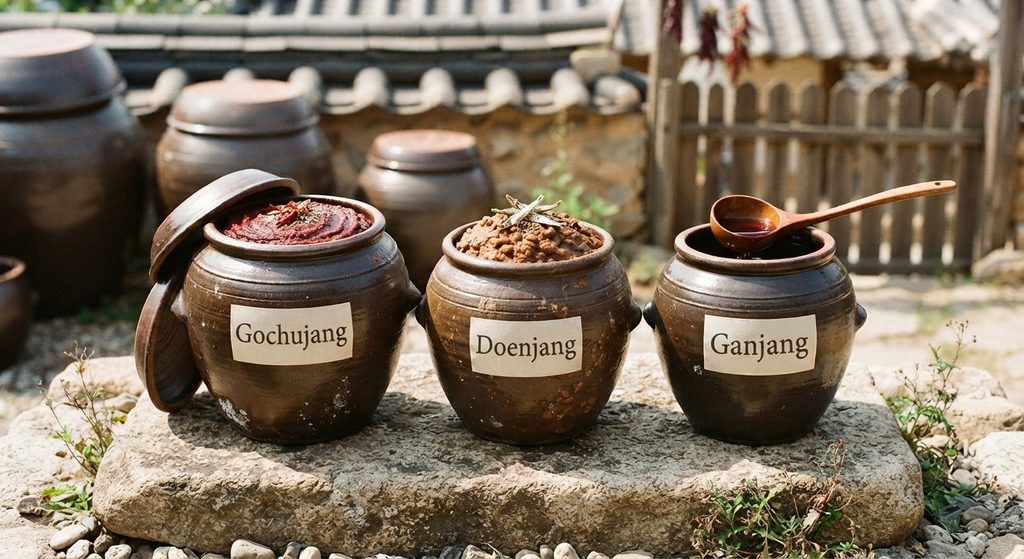
Here's something most people outside Korea don't realize: almost every banchan you'll ever eat traces its flavor back to one of three fermented pastes, collectively called jang (장):
- Ganjang (간장) — soy sauce, used for savory, umami-forward banchan like braised potatoes or soy-glazed anchovies
- Doenjang (된장) — fermented soybean paste, earthy and funky, the backbone of soups and stews
- Gochujang (고추장) — fermented red chili paste, sweet and spicy, used in stir-fries and spicy vegetable namul
Traditionally, every Korean household kept large clay pots called onggi (옹기) on a raised platform outside called a jangdokdae (장독대), where these pastes fermented slowly, sometimes for years. Grandmothers would pass down their own jang recipes like family heirlooms — literally, some families claim their doenjang has been "fed" and maintained for generations. It's kind of like a sourdough starter, except it's been going since your great-great-grandmother's kitchen.
Understanding this jang trio is honestly the fastest way to understand Korean cooking as a whole. Once you know these three flavors, you start recognizing them in almost every banchan on the table.
Banchan-Nanum: The Korean Tradition of Sharing Side Dishes
Here's a part of banchan culture that rarely makes it into American conversations about Korean food: sharing.
For generations, Korean neighborhoods operated on what's sometimes called banchan-nanum (반찬 나눔) — the culture of sharing side dishes with neighbors. If your grandmother made an especially big batch of kimchi during kimjang season (the annual communal kimchi-making event, usually in late fall), she'd send containers of it to neighbors, relatives, and friends. In return, someone else might send over their homemade doenjang jjigae paste or a batch of pickled perilla leaves.
This wasn't charity — it was community. Since so many banchan take real time and effort to make (and taste even better in large batches), sharing was simply the practical, generous thing to do. Even today, it's common for Korean parents to send their adult kids home with containers of homemade banchan after a visit. If you've ever heard someone joke about "mom's banchan care package," this is exactly what they mean — and honestly, receiving one still feels like winning the lottery, no matter how old you are.
What Is a Banchan Gage? Korea's Side Dish Shops Explained
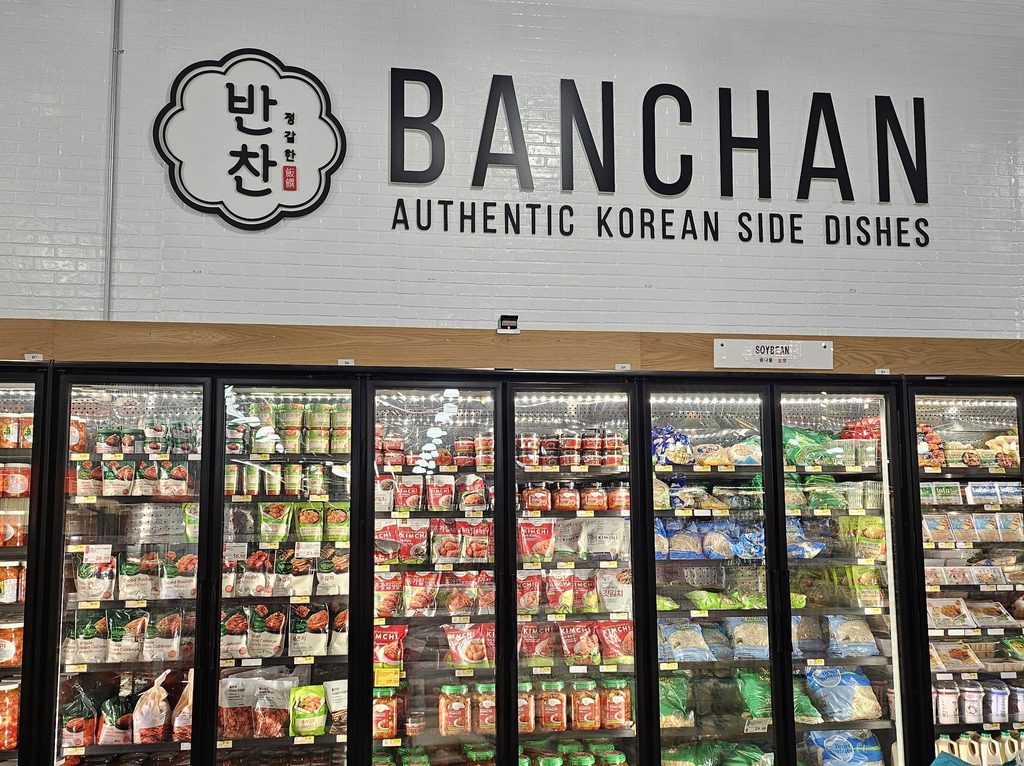
Of course, not everyone has time to make banchan from scratch anymore — and that's where the banchan gage (반찬가게), or side dish shop, comes in. These are small specialty stores (and now entire sections of Korean supermarkets) that sell freshly made banchan by the container, ready to take home.
This shift reflects something really relatable: busy modern life. Just like how American grocery stores expanded their prepared foods and deli sections as more households became dual-income, Korea saw a boom in banchan gage culture as fewer people had time to prep five side dishes after a full workday. Walk into any Korean grocery store today — including H Mart in the U.S. — and you'll find refrigerated cases packed with pre-made banchan: braised black beans, seasoned bean sprouts, spicy cucumber salad, and yes, myeolchi bokkeum and gamja bokkeum too.
It's a genuinely brilliant system, and honestly, more American grocery stores could take notes. Rather than choosing between "cook everything from scratch" or "order takeout," banchan gage offers a comforting middle ground: high-quality, homemade-tasting food without the hours of prep.
🥗Are Korean Side Dishes Healthy? The Benefits of Banchan
- Built-in portion control. Because everything comes in small servings, banchan naturally encourages eating a variety of foods in moderate amounts rather than piling everything onto one giant plate.
- Fermented = gut health. Kimchi, jeotgal (fermented seafood), and other fermented banchan are loaded with probiotics that support healthy digestion — long before "gut health" became a wellness trend, Korean grandmothers were already on it.
- Nutrient diversity in every meal. A typical banchan spread hits multiple food groups at once — protein, vegetables, fermented foods — giving you a wider range of vitamins and minerals than a single-entrée meal typically provides.
- Low-oil cooking methods. Most banchan are lightly stir-fried, blanched, or seasoned raw rather than deep-fried, keeping the overall meal lighter and more nutrient-dense.
Banchan vs. American "Sides": More Alike Than You'd Think
Here's a fun way to think about it: Thanksgiving. When Americans sit down for Thanksgiving dinner, the table isn't just turkey — it's mashed potatoes, green bean casserole, cranberry sauce, mac and cheese, stuffing, and rolls, all sharing the spotlight. For one meal a year, Americans basically go full banchan mode.
The difference? Korean banchan culture treats every single meal like that — just scaled down. Instead of six elaborate holiday sides once a year, it's three or four humble, everyday sides, all year round. Honestly, once you frame it this way, banchan doesn't feel so foreign anymore — it's just Thanksgiving side-dish energy turned into a daily habit.
My Personal Top 3 Banchan 🙌
1. Myeolchi Bokkeum (멸치볶음) — Sweet Soy-Glazed Baby Anchovies
These tiny, crunchy dried anchovies get stir-fried in soy sauce, sugar, and a touch of corn syrup until they're perfectly sweet, salty, and glossy. Calling this a "calcium bomb" isn't an exaggeration — it's genuinely one of the best sources of calcium in Korean cuisine.
2. Ojingeo Jeot (오징어젓) — Spicy Fermented Squid
Spicy, salty, umami-packed fermented squid, mixed with gochugaru (Korean chili flakes) and sesame oil. Spoon it over a hot bowl of rice and mix it all together, and I promise you, two bowls of rice will disappear before you know what happened. This is what Koreans call "bap-doduk" — literally, a "rice thief."
3. Gamja Bokkeum (감자볶음) — Soy-Sautéed Potatoes
Thinly julienned potatoes, quickly stir-fried in oil and lightly seasoned with soy sauce and a pinch of sugar. Simple, mild, and weirdly addictive — the side dish even picky kids love.
Tips for Exploring Banchan in the U.S. 💡
- Skip the from-scratch pressure. Head to H Mart or a local Korean grocery store's banchan section and grab a few containers to try before committing to homemade versions. It's the same "banchan gage" experience Koreans use every day.
- Start small. If you're new to banchan, start with milder options like gamja bokkeum or seasoned spinach (sigeumchi namul) before working your way up to fermented, funkier options like jeotgal.
- Mix and match with non-Korean meals. Banchan doesn't have to stay confined to a Korean meal — myeolchi bokkeum makes a great protein-packed snack, and gamja bokkeum works beautifully as a side for grilled chicken or steak, no rice required.
- Storage matters. Most banchan keep well in the fridge for about a week in an airtight container, making them a genuinely great addition to your weekly meal prep rotation, Korean meal or not.
Final Thoughts
So no, Korean people are not sitting down to a 12-dish feast every single night (as much as we'd love to). The real magic of Korean home cooking isn't about quantity — it's about balance, community, and a handful of humble side dishes passed down through generations, shared between neighbors, and now, thankfully, available at your local H Mart too.
Next time you're at a Korean grocery store, skip straight to the banchan section and grab a few containers. That's the most authentic way to start understanding what Korean food is really all about. 🙂
Frequently Asked Questions About Korean Banchan
What does banchan mean in Korean?
Banchan (반찬) means "side dish" in Korean, referring to the small shared plates served alongside rice at a traditional Korean meal.
Do Koreans eat many side dishes at every meal?
Not usually. A typical Korean weeknight meal includes just 2–4 small side dishes plus rice, soup, and kimchi — the elaborate spreads seen in media are typically reserved for holidays or special occasions.
What is a banchan gage?
A banchan gage (반찬가게) is a Korean side dish shop that sells freshly made banchan by the container, similar to a deli counter.
Where can I buy Korean banchan in the U.S.?
Korean grocery stores like H Mart carry a wide selection of pre-made banchan in their refrigerated sections, making it easy to try authentic side dishes without cooking from scratch.
Is banchan healthy?
Yes — many banchan are fermented, lightly cooked, and served in small portions, supporting gut health, portion control, and nutrient diversity in every meal.